franzmagazine: Alfredo Cramerotti e ciò che tutti sanno ma di cui nessuno parla (Italian)
Video interview for franz magazine, Italy
Exhibitions are not enough
Exhibitions are not enough: Publicly-funded galleries and artists’ professional development
By: Reyahn King


Introduction
Regional galleries working more with visual artists will provide funders, local authorities, galleries and artists with ways to build a sense of place, open doors to technological and innovative ideas, and ensure art reaches wider audiences. Arts Council England should recognise the opportunity created by their own expanded role to rethink the administrative and policy distinctions between galleries with and without collections; and enable and encourage all galleries to engage with contemporary visual artists. To achieve stronger relationships will ultimately mean more investment in artists by publicly-funded institutions. At a time of constraint this expenditure of time and money requires leadership from gallery directors to make the relevance of artists to their organisational purposes clearer and to make their organisations more visibly part of a cultural and creative ecosystem.
Read the whole post here
Reyahn King is Head of Heritage Lottery Fund West Midlands, and was formerly Director of Art Galleries, National Museums Liverpool. These are personal opinions and not the view of The Heritage Lottery Fund.
First published: a-n.co.uk April 2012; Written in September 2011 when King was a 2010/11 MLA Clore Fellow.
Introduzione al Fallimento su Artribune.com [Italian translation]
[Italian]
Pubblicato su Artribune.com
Scritto da Alfredo Cramerotti
sabato, 17 dicembre 2011
Viviamo in una società che stigmatizza il fallimento. Che non vede in esso niente più che umiliazione e incapacità. Mentre fallire a volte significa darsi un’occasione per imparare. E per uscire dal seminato. Una riflessione di Alfredo Cramerotti.

Il fallimento è difficile da digerire. Il fallimento non trova spazio tra i nostri contemporanei. Nessun luogo in cui svilupparsi. Nessun luogo per manifestarsi. Il fallimento, in altre parole, non dovrebbe esistere, secondo la società attuale. Se fallisco qui (e ora), pregiudicherei la mia credibilità futura. È quasi impossibile parlare del fallimento in senso positivo, così come lo è sviluppare una nozione di fallimento, senza sospetto. Ho sempre grandi aspettative, e non considero mai l’eventualità che non possa raggiungerle. Ecco perché l’importante è fare a meno di quella fobia per l’errore che ci spinge ai limiti di una perenne foschia. Non solo ho paura di fallire, in termini fisici e mentali, ma a volte costruisco dei meccanismi di autocensura. Non permetto nemmeno a me stesso di pensare che potrei fallire e che le cose potrebbero andare male. Ma cosa significa esattamente “le cose possono andare male”? Quando mi vengono delle idee, le pianifico, le metto in atto e poi mi godo il risultato. La possibilità di fallire in realtà non intacca nulla. Il fallimento è uno spazio prezioso nel quale posso allargare i confini e sperimentare altre dimensioni di vita e lavoro. A questo punto, ci si potrebbe chiedere: perché dovrei fallire? Non che fallire sia necessario per vivere meglio. Piuttosto, è un modo per permettere a me stesso di trovare spazio, la dimensione mentale del fallimento. La cultura dominante dell’epoca in cui vivo è contrassegnata dal culto della vittoria a tutti i costi, che vieta di incorrere in errore. Per esempio, non sopporto il pensiero di perdere il mio tempo dietro qualcuno o qualcosa che alla fine sparisce e mi abbandona. Ciò può accadere in amore come nel lavoro.
Nelle mie azioni investo sentimenti, tempo, soldi e così, proprio perché si tratta di un investimento, mi aspetto qualcosa in cambio. Un ritorno, qualche risultato. Non concepisco un’azione libera da effetti attesi, libera dall’obbligo di evitare di fare errori. Mi addolora vedere e pensare a me stesso sconfitto. Posso sopportare solo il fallimento di qualcun altro. E non voglio certo essere io quel qualcun altro. Esiste una scuola di pensiero che afferma che non c’è un diritto a fallire, ma un dovere a sperimentare. Bene. Significa che un esperimento non può fallire? Perché non prendere in considerazione la parola “fallire”? Fallisco negli studi, nel lavoro, in amore. A volte in modo permanente, altre volte no. Scrivendo queste righe, probabilmente sto fallendo, del tutto o in parte, nel tentativo di comunicarvi esattamente i miei pensieri. E in alcune occasioni sono riuscito a portare a termine con successo qualcosa di completamente diverso rispetto a quello che avevo iniziato. E questo è un fallimento? Forse solo fallendo potrei arrivare a raggiungere la verità, lasciando intatta la molteplicità della mente umana, continuando a prendere in considerazione le sue infinite possibilità. Forse l’unica cosa che è rimasta da fare è continuare a dire al mondo il mio sogno, lasciando agli altri l’onore di dare un senso ai frammenti della vita. Il mio fallimento sarebbe in questi tentativi, in questi frammenti di una storia incerta, nata non per essere finita ma per essere vera in senso etico ed emotivo, non per forza realistico.
*Originariamente pubblicato come “Take your protein pills and put your helmet on: an Introduction to Failure” in inglese/italiano su Digimag 69, novembre 2011. Traduzione di Marco Mancuso
—
Qualche commento da Artribune:
Matteo P scrive, 17 dicembre 2011 alle 14:59: Articolo molto interessante. Da leggere sul tema anche Lisa Le Feuvre “Failure” si trova un assaggio qui: http://www.tate.org.uk/tateetc/issue18/failure.htm
Christian Caliandro scrive, 17 dicembre 2011 alle 16:07: Un ragionamento esemplarmente condotto ed estremamente interessante. Questi sono i temi davvero importanti. Complimenti Alfredo
Giusepe Parisi scrive, 18 dicembre 2011 alle 07:46: OTTIMO, è necessario un dibattito aperto, che utilizzi la stessa semplicità di esposizione. Gli errori sono naturali nelle sviluppo sperimentale…li compie anche la natura…eppoi si trasformano, spesso, in un cambiamento migliorativo e positivo. Viva il cambiamento ciao Giuseppe Parisi
The Stylist scrive, 18 dicembre 2011 alle 18:52: Articolo molto, molto bello. Forse l’unica speranza potrebbe essere quella di insegnare il fallimento già nelle scuole elementari, a protezione del delicato sviluppo psico-fisico dei futuri adulti.
Stefano Gori scrive, 18 dicembre 2011 alle 20:03: Una bella riflessione; semplice, umana, vera. Mentre la leggi ti senti toccare al cuore come succede quando si ascoltano cose vere. Speriamo che dopo decenni di materialismo possa riaffiorare la cultura dell’attenzione, dell’ascolto, del rispetto, della bellezza e perchè no, dell’errore, dell’insuccesso e del fallimento.
Nicoletta Daldanise scrive, 18 dicembre 2011 alle 22:28: Concordo, il fallimento non inficia il processo…
Silvia Scaravaggi scrive, 19 dicembre 2011 alle 11:05: Ottimo testo Alfredo, mi interessa molto il ragionamento e offre molti altri spunti davvero cruciali. Posto dalla “carta dei diritti personali” tre dei diritti a mio avviso centrali:
4 – Tu hai il diritto di cambiare la tua opinione.
5 – Tu hai il diritto di sbagliare e di assumertene la responsabilità.
6 – Tu hai il diritto di dire: “Non so!”.
Silvia
For The Record: Fictional images on the frontline between photojournalism and contemporary art
by Ossian Ward
THE ART NEWSPAPER for FRIEZE ART FAIR
Thursday 13 October 2011

La verità dell’esperienza, corto saggio su Artribune e Digimag [Italian]
Artribune, martedì, 6 settembre 2011
Digimag, numero 66, luglio-agosto 2011
[image: Michael Wolf, ‘A Series of Unfortunate Events]
La verità dell’esperienza
Annotazioni sulla fotografia espansa. Ovvero, Alfredo Cramerotti riflette su come la fotografia non sia più né un genere né suddivisibile in generi. Ben di più: è un “alfabeto”, un “archivio”. Anzi, la vita stessa, oramai.
V2_ presents BlowUp Reader #2: Every Artist, a Journalist (free download)
This short e-Book, the second in the series of Blowup Readers released by V2_, explores the phenomenon of artists working in documentary and journalistic forms, and what this crossover between art and journalism creates.
Blowup is a series of events and exhibitions that explore contemporary questions from multiple viewpoints. Blowup zooms in on ideas, bringing into focus clear pictures of how art, design, philosophy, and technology are transforming our lives — or reinforcing the status quo.
CONTENTS
1. Introduction, by Michelle Kasprzak
2. Excerpt from Aesthetic Journalism, by Alfredo Cramerotti
3. Temporary Storage, by Ken Hollings
4. The Making of P.A.P.A., by Michelle Kasprzak
5. Reality in the Age of Aesthetics, by Mark Nash
6. From the V2_ Archives: Art, Power, and Communication, by Alexei Shulgin
Free download here:
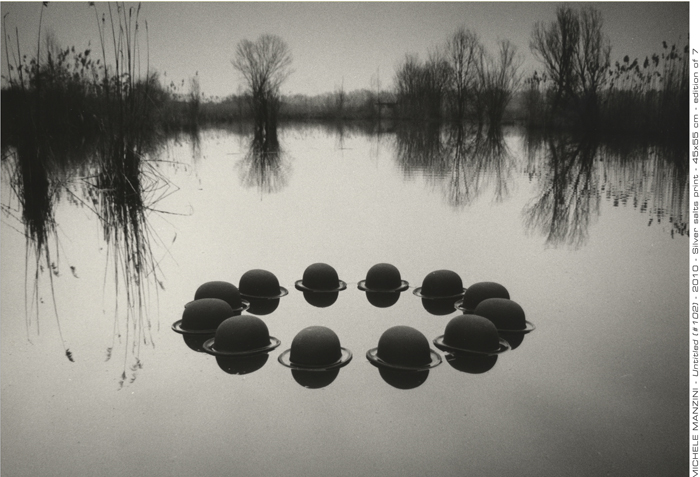
… the tragedy bloomed. And deceit became knwoledge. Exhibition by Michele Manzini
English:

“When we recognize the cultural rather than political or physical traits of a context we can call it cultural geography.
“For example, this is what happens when the relationship between artists and the public is based equally on the two sides in order to generate, first knowledge (the ‘what’), and then meaning (in what terms). An artist’s ability consist in pushing himself beyond this artist/viewer dichotomy to create a third space, a cultural geography, an attempt to communicate. And not just communication between artistic and historical disciplines, but above all between “other” undertakings: economy, industrial design, philosophy, agriculture, law, town planning or whatever is most relevant in a particular place at a particular moment. Artists relate together spheres of activity and knowledge through a set of disciplines – and at every step they question themselves about what, how, and why. At least at this point.
“Every event linked to a cultural geography sets off a new challenge for the next action: new formats, new physical and mental spaces, new kinds of relationships, new times. Artists do not invent but simply transform existing infrastructures as the public slowly becomes receptive to them. They might start from museums of natural history and books about the economy to arrive at YouTube and the San Remo festival. They can incorporate buses, advertising hoardings, and scientific measurements. Art comes about when knowledge comes into conflict with the imagination, and this is a healthy, productive, and relevant conflict. “The work of an artist is a centre for possible studies. Not surefire but imaginable ones. And thus doable for the very fact that we can conceive of them.”
Alfredo Cramerotti, 2011
The show by this Veronese artist, who for years has been involved with the theme of landscape, will therefore be characterized by a kind of dissemination of the exhibition across various interpretative planes and levels. A curatorial approach consisting of semantic shifts, the dismantling of conceptual apparatuses, anomalous choices of exhibiting, iterations, invasions of other fields, talks, and the production of texts that describe aims which, at times, are divergent with respect to the artist’s figurative interests and his solid theoretical underpinning.
—
Italiano:

” Possiamo definirla geografia culturale, quando riconosciamo tratti culturali anziche’ politici o fisici di un contesto.
” Per esempio succede quando la relazione tra artista e pubblico si poggia equamente su ambedue le parti per generare prima conoscenza (che cosa), e poi significato (in che termini). L’abilita’ di un artista sta nello spingersi oltre questa dicotomia artista/spettatore, creando uno spazio terzo, una geografia culturale, un tentativo di comunicazione. Non solo tra discipline artistiche o storiche, ma soprattutto tra pratiche ‘altre’: economia, design industriale, filosofia, agricoltura, legge, urbanistica o quello che e’ piu’ rilevante in un determinato posto e un dato momento. L’artista mette in relazione sfere di attivita’ e conoscenza attraverso un ‘set’ di discipline – e a ogni passo si interroga sul cosa, come e perche’. O almeno a questo punta.Ogni evento legato a una geografia culturale fa scattare una nuova sfida per la prossima azione; nuovi formati, nuovi spazi fisici e mentali, nuovi tipi di relazioni, nuovi tempi. L’artista non inventa, semplicemente trasforma le infrastrutture esistenti man mano che il pubblico si apre a queste. Puo’ partire dai musei di storia naturale e dai libri di economia e arrivare a YouTube e al Festival di Sanremo. Puo’ incorporare autobus, tabelloni pubblicitari e misurazioni scientifiche. L’arte succede dove la conoscenza entra in conflitto con l’immaginazione, ed e’ un conflitto sano, produttivo, rilevante. ll lavoro di un artista e’ un centro per studi possibili. Non certi, immaginabili. E percio’ fattibili, proprio perche’ riusciamo a concepirli.”
Alfredo Cramerotti, 2011
La mostra dell’artista veronese, da anni impegnato sul tema del paesaggio, sarà quindi caratterizzata da una sorta di disseminazione dell’evento espositivo su più piani e livelli interpretativi. Un approccio curatoriale fatto di slittamenti semantici, smontaggio degli apparati concettuali, anomale scelte espositive, iterazioni, intersezioni, invasioni di campo, talk, produzione di testi che descriveranno traiettorie talvolta divergenti rispetto alla ricerca figurativa dell’artista e al suo solido corpus teorico.
Alfredo Cramerotti: Aesthetic Journalism. Public talk at Villa delle Rose, Bologna
Alfredo Cramerotti: Aesthetic Journalism
Public talk at Villa delle Rose
Via Saragozza 228-230, 40135 Bologna, Italy
Thursday 7 July 2011, 7 pm
As part of the Studio of Ælia Media, a project by Pablo Helguera, winner of the International Award for Participatory Art, Alfredo Cramerotti will present his research about aesthetic journalism and the consequences for artistic practices.

Alfredo Cramerotti’s curatorial approach does not consist in creating (new) “knowledge” about something, but in sharpening the existing ways of production and circulation of knowledge. That means he encourages artists to create relations of mutual influence with other systems that govern or facilitate our life, like mass media, science, law, architecture and other activities and planning methods. It means to constantly change the perception of society with artistic means. In one of his recent projects, the European biennial of contemporary art Manifest 8 that took place in the Region Murcia in Spain, Alfredo opened a space for information exchange for the participating artists, a suspicious and spiteful terrain compared with the “certainties” of art.
During his conversation at Villa delle Rose, Alfredo will cast light on this kind of approach, from the concept to the realization, and he will invite the audience to discuss the modalities of hybrid practices which – like bio-politics, development of sustainability, virtual reality and other processes that sum up various disciplines – recreate individual and society on an everyday base.
Alfredo Cramerotti is Senior Curator at QUAD art, film and media centre in Derby, UK and is Editor of Critical Photography at Intellect Books. Among his recent research and curatorial activity: Manifesta 8 European Biennial of contemporary art, Region of Murcia, Spain; FORMAT International Photography Festival’s Conference Derby, UK; Fellowship Art Theory and Criticism Künstlerhaus Büchsenhausen Innsbruck, Austria; CPS Chamber of Public Secrets, art & media production unit; AGM Culture, roaming curatorial agency.
Cramerotti has curated more than sixty international exhibitions and multimedia projects, working on major shows of, among others, Ian Breakwell, Dinu Li, Daphne Wright, Bill Drummond and Jane & Louise Wilson. He has published in Brumaria, Nolens Volens, Manifesta Journal, MOLE, Esse Arts+Opinions, Altyazi, Journal of Media Cultural Politics, Transmission, Pages Magazine, and authored the books ‘Aesthetic Journalism: How to Inform without Informing’ (2009) and ‘Unmapping the City: Perspectives of Flatness’ (2010). Visiting Lecturer in numerous European Universities such as NTU Nottingham Trent University, University of Westminster London, Sotheby’s Institute of Art and ArtEZ/DAI Dutch Art Institute Arnhem.
International Award for Participatory Art
An initiative of the Legislative Assembly of the Region Emilia-Romagna, Italy
In collaboration with LaRete Art Projects and goodwill.
http://www.artepartecipativa.it
Ælia Media. A project by Pablo Helguera.
Realized together with: Emanuela Ascari, Katia Baraldi, Fedra Boscaro, Lorena Colantuono, Giorgia Dolfini, Vincenzo Estremo, Federica Falancia, Matteo Ferrari. Emanuele Girotti, Eléonore Grassi, Nathaniel Katz, Tihana Maravic, Marianna Mendozza, Stefano Miniato, Stefano Pasquini, Cinzia Pietribiasi, Linda Rigotti, Francesca Pizzo, Ennio Ruffolo, Anna Santomauro, Alessandra Saviotti, Daniela Spagna Musso, Annamaria Tina.
Curated by Julia Draganovic and Claudia Löffelholz.
Organization and coordination: Alice Militello and Federica Patti.
Press and communication: goodwillcom


 Curatorview [Alfredo Cramerotti]
leave a comment